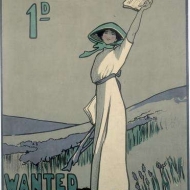
My fat cradles me, hula-hoops me, it doesn’t
dismiss my effect on society with a disdainful
wag of a skinny finger – it’s your own fault!
I’m not a blood sucking, obsolete take all
give nothing person. My fat has perks within
its folds. It allows me to watch you, unnoticed,
as you binge on life’s cynical urges.
You mould your mind and body daily
like clay, then change your shape,
forever pliable.
You call me stupid.
I can caress my squidgy blubber, my rubber-ring
with pride and say I am no prostitute!
I look pregnant when I stand reflected,
I like that. Men love it,
nestling like baby birds in my curves.
I’m a Rubens, no Olive Oyl painting, no
air brushed strokes – simply me. What you
get is what you see.
Bathed, my naked body glows. Rubescent
concertina-ed midriff sings of a fabled figure,
The Michelin woman…
My thighs rub a tune as I walk
back and forth – I’m no comic book caricature,
I’m me, FAT me.
Hello Kats
Much enjoyed reading the lines. Your poem is a bold, unapologetic celebration of the body, but more importantly, you use fatness as a voice of resistance against a society that constantly judges, categorises, and reshapes people. From the opening, “My fat cradles me, hula-hoops me”, you immediately overturn the usual vocabulary of shame: what society sees as excess becomes something protective, almost affectionate.
You also give your speaker considerable psychological independence. When you write, “You call me stupid,” the abrupt, isolated line is particularly effective. It feels like an accusation thrown at the speaker—and then silently rejected. Your poem repeatedly sets yourself against “you”: “You mould your mind and body daily / like clay” exposes the irony of those who constantly modify themselves while judging someone who refuses to do so.
Your imagery is often wonderfully irreverent. “Squidgy blubber,” “rubber-ring,” “Rubens,” “Olive Oyl,” and “The Michelin woman” create a deliberately comic visual vocabulary, preventing the poem from becoming self-pitying. You turn labels associated with ridicule into badges of identity.
The sensuality of “Bathed, my naked body glows” further asserts ownership of the body without apology. Your closing declaration, “I’m me, FAT me,” is deliberately emphatic and gives the poem its manifesto-like quality.
At its strongest, you are not asking society to accept you—you are telling society that ‘you have already accepted yourself’.
Yours
Supratik
I may have to frame that comment. Thank you so much – very much appreciated that you took the time. Best wishes, Kim