
What a Waist
I could eat a Devon scone with cream and then a curry
If I had Gandhi’s body type I wouldn’t need to worry
I fill my face with pie and mash and Lidl’s own brand pâté
I crave for food, eat like a pig, some people call me Fatty
What a waist
What a waist
I could eat the contents of a book by Fanny Craddock
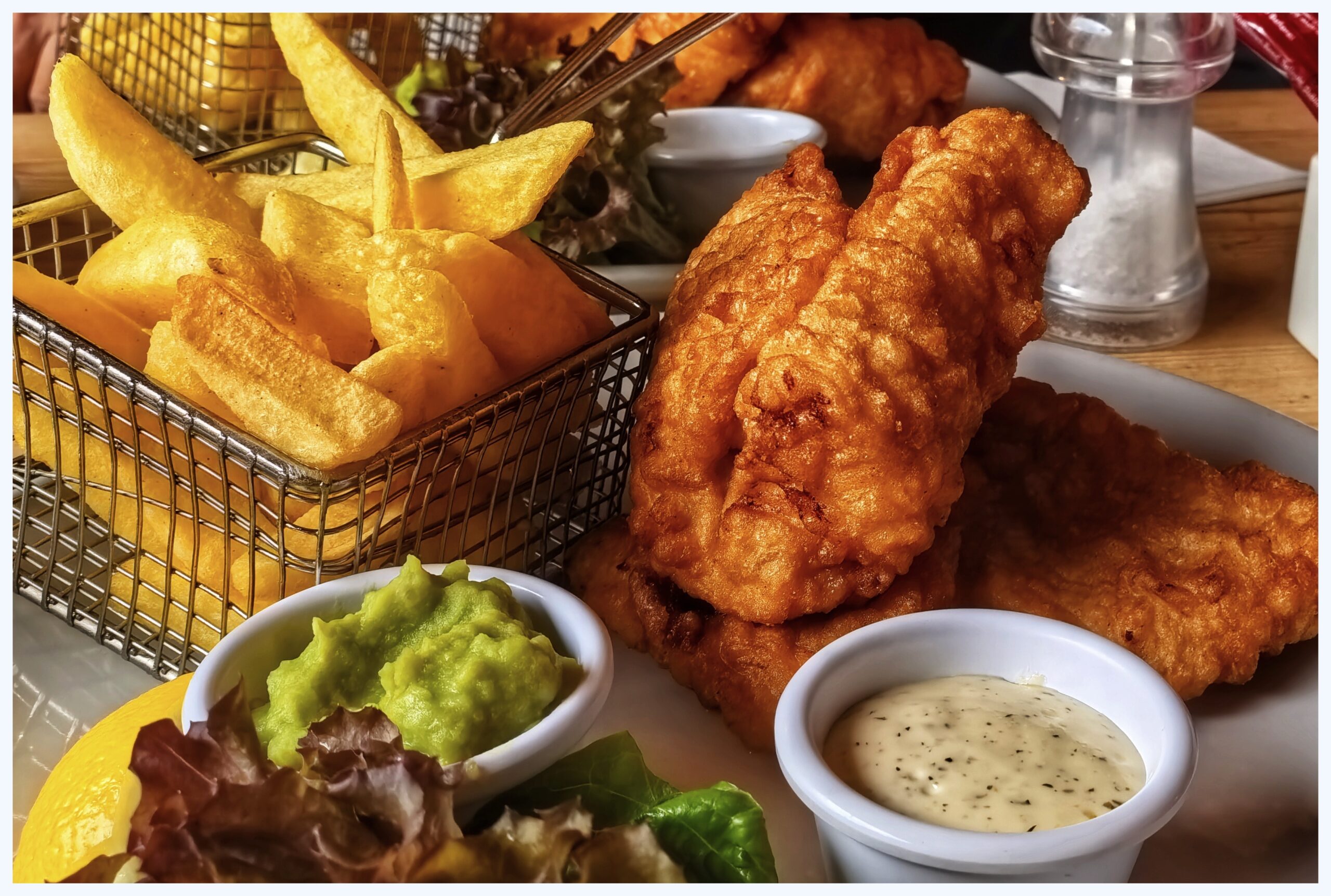
I could eat three bags of chips, mushy peas and battered haddock
I could eat a sack of rice without fear of constipation
I could eat the ticket man at Fulham Broadway station
What a waist
What a waist
I could eat sawse camelyne as ate by Geoffrey Chaucer
A cup of milky tea, two spoons, digestives in the saucer
I like toast and marmalade, collected all the gollies
I draw the line at Brussels sprouts and cabbages and caulis
What a waist
What a waist
I once spent a pony on lasagne from Weight Watchers
It ain’t got proper meat in it so I got spots and blotches
My old lady made me some nosh with quinoa and spinach
But when she wasn’t looking I gave it to the dog to finish
What a waste
What a waste
I could eat Coquilles Saint-Jacques with eggs and beans for dinner
I could wrap some lettuce round Mars Bars to make me thinner
I could eat just anything between two lumps of bread
If I couldn’t eat the things I love I might as well be dead
What a waist
What a waist
The poem is a wonderfully comic celebration of gluttony, appetite and the absurdities of dieting. Its greatest strength is its humour, which comes from exaggeration, wordplay, unexpected comparisons and the speaker’s unapologetic love of food. The title, “What a Waist,” is itself a clever pun on “waste,” and the variation “What a waste” in the fourth stanza amusingly suggests both wasted food and wasted dieting efforts. The hyperbole is particularly effective: “I could eat the ticket man at Fulham Broadway station” is ridiculous and therefore hilarious. The references to Fanny Craddock, Geoffrey Chaucer, Lidl, Weight Watchers and quinoa create a playful mixture of high and low culture. The line “I could wrap some lettuce round Mars Bars to make me thinner” brilliantly mocks tokenistic dieting. Even the refusal of healthy food—“I gave it to the dog to finish”—adds comic rebellion. The lively rhyme and conversational diction give the poem a strong, almost pub-song quality. Overall, it is witty, irreverent and highly entertaining, while affectionately satirising our complicated relationship with food and body image.
Best
Supratik
Thank you very much supratik for your kind and in depth analysis of my poem.
I’m feeling extremely grateful with a warm feeling in my hollow tooth.
Beir bua, Turlough.
Well, that’s given me a reason to be cheerful, and hungry. A fun read and would be good to hear out loud. Best wishes, Kim