
Tell me, what is Paradise
this strange ideal that everybody dreams of
but which no one yet has seen;
but ask me, for I know it.
The problem is, it is not practical
nor physical nor tangible in any way
but purely intellectual,
a utopia, which however does exist
and everyone is well familiar with
who knows about ideals and dreams and beauty
and the charm of knowledge and its acquisition.
If it were to be defined at all,
I would fain liken it
to sitting down in peaceful studies
listening to soothing music
letting creativity flow forth.
That is the only Paradise I know,
and that is good enough for me.
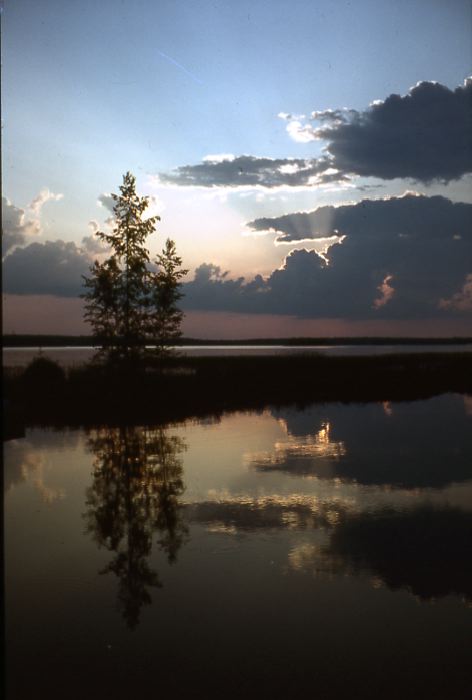
“Paradise Speculation” offers a reflective, quietly confident redefinition of paradise, shifting it from a theological or mythical realm into an entirely intellectual territory. The poem opens with a gentle challenge—“Tell me, what is Paradise / this strange ideal that everybody dreams of / but which no one yet has seen”—announcing its interest not in doctrine but in inquiry. By inviting the listener to “ask me, for I know it,” the voice assumes a philosophical poise, but what follows is not arrogance; it is a modest, human-scale revelation.
The poem’s central claim—that paradise is “not practical / nor physical nor tangible in any way / but purely intellectual”—positions thought, imagination, and beauty as the true domains of transcendence. This nondogmatic, personal paradise is accessible to anyone “who knows about ideals and dreams and beauty / and the charm of knowledge and its acquisition.” In doing so, the poem democratises bliss, rooting it in experience rather than in promise.
The most evocative passage is the metaphorical definition: paradise is akin “to sitting down in peaceful studies / listening to soothing music / letting creativity flow forth.” It is a scene of serenity, self-cultivation, and aesthetic pleasure—far removed from visions of opulence or heavenly reward. The simplicity of this image underscores the poem’s philosophical stance: fulfilment arises not from external grandeur but from inner harmony.
Ultimately, the poem is both a meditation and a manifesto, asserting that paradise is not a destination but a state of mind—intellectual, creative, and profoundly personal.
Thank you, Supratik, for your penetrating understanding.